
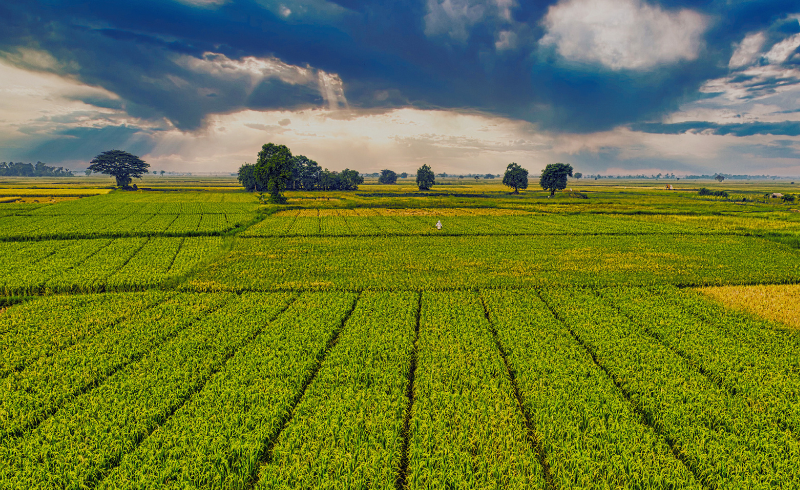
Barriers to Adopting Precision Ag and How to Overcome Them on Potato Farms
Precision agriculture is a term that refers to a collection of farming strategies that apply data-driven techniques to reduce resource consumption, increase yield, and improve sustainability in the agricultural sector. It’s often abbreviated to precision ag. The concept has already transformed the industry, with some of the most revolutionary innovations currently taking place on potato farms in Washington state and elsewhere.
As potato farmers work to implement the systems and technologies that make up the precision agriculture method, they have found many benefits, particularly for the crops they specialize in. However, these farmers have also discovered several barriers that have slowed the process of adopting precision agriculture, and these barriers must be overcome for the industry to take full advantage of this promising new science. Below, we’ll discuss a few of the most common of these obstacles, as well as the practical solutions that farmers have developed to successfully integrate precision ag into their operations.
Precision Agriculture: The Basics
By its most basic definition, precision agriculture refers to the collection and implementation of data in order to minimize resource consumption and maximize output on a farm.
For example, a farm might use weather forecasting data to make decisions regarding irrigation. Choosing to provide crops with less irrigation on a rainy day may sound simple and obvious, but it is an example of precision agriculture in play. With the help of advanced software and automated farming technologies, farmers can make dozens of equally beneficial decisions when running their farms day to day.
Why It Matters for Potato Farmers
Precision ag techniques are being implemented to aid with the growth of every type of crop imaginable, but the benefits they have provided on potato farms are among the most dramatic. That’s because potatoes are among the most important crops in the world for food security and sustainability. They are inexpensive and relatively easy to grow. However, they are also sensitive to variations in water and soil conditions, so they respond especially well to precision agriculture techniques.
The Biggest Barriers Facing Farmers
As a relatively new and continually evolving method of producing crops, precision agriculture is not without its challenges, particularly with regard to implementation. The barriers to adopting precision agriculture can be both financial and logistical. However, the benefits of these techniques can make overcoming these barriers well worth it.
The Problem: High Equipment Costs
Many precision ag methods depend heavily on advanced technology, particularly equipment specially designed to gather detailed information about the farm. For example, a farm may need to invest in an array of sensors to provide a continuous stream of data about soil moisture levels. Other information-gathering technologies include drones and GPS software. Farms may also implement upgraded drip irrigation systems and automated farming equipment, such as self-driving tractors, which help plant potatoes and other crops at the perfect depth.
The problem with all of these technologies, of course, is that they are expensive. High-end, professional soil moisture monitors, for example, can range in price from a few hundred to several thousand dollars each. This means the cost of the technology is prohibitive for many farms.
The Solution: Financial Incentives for Users
Precision agriculture has many environmental and economic benefits, which have led policymakers across the country to propose aid packages and financial incentives for its implementation. By assisting farms—in particular, critically important midsized potato farms—to acquire and adopt the equipment necessary for precision agriculture, federal, state, and local governments can help to ensure ongoing benefits for their communities.
The Problem: Technology Complexity
The other issue that arises when implementing precision farming equipment is the supposed complexity of the technologies that are being used. Frequently, the machinery required for these agricultural techniques is advanced enough to require a learning curve, not to mention a certain level of digital literacy. This can often intimidate farmers, particularly older ones used to traditional farming methods, into avoiding the technology.
The Solution: Training Programs and Other Support Systems for New Farmers
The above problem speaks to a larger issue facing the agricultural sector in the modern day: namely, the challenge of bringing younger, more technically savvy farmers into the industry. Overcoming the (real or imagined) challenges with the complexity of precision ag technology is a matter of providing training for farmers of all ages, as well as providing incentives for the younger generations to pursue farming as a valid career path.
Many communities, including those served by midsized potato farms, are defeating this issue through the encouragement and support of generational farms. The older generations pass down traditional farming knowledge, while the younger ones bring their understanding of digital and automated technologies into the industry. Local communities can also offer hands-on training in farming technologies to streamline the implementation process.
The Problem: Limited Connectivity
Since precision farming technology depends a great deal on the data available in the digital cloud, the limitations on connectivity remain a major challenge for many farms. Small farms and those in remote locations may not have easy access to Wi-Fi and other infrastructure that allows them to make use of the information required to improve their farming processes.
The Solution: Scalable Tech Options
Most farms already have access to Wi-Fi and other information technologies, just not on the scale necessary for running a technologically advanced operation. Fortunately, Wi-Fi and many other precision ag technologies are scalable and can be expanded as the needs of the farm increase. For instance, Wi-Fi boosters can be installed on farms, allowing the connectivity of the farm to increase as more and more precision technology appears. Farmers can also take advantage of satellite systems and other alternative methods of data collection to remain plugged in and to maximize the efficiency of their agricultural operations.
The above barriers are among the most common in agriculture, but there are others, and more will arise as these farming practices become more widespread. The main method of defeating the challenges to sustainable agriculture is for potato farmers and their colleagues to work together, as well as with their local communities, to help bring precision agriculture into the mainstream. Whether you are a farmer or an interested layperson, you can do your part to help spread awareness of the benefits of this revolutionary new agricultural system.

Games room decoration tips
You May Also Like

Easy to make soft and sweet oat raisin cookies recipe

Goat’s Cheese Sandwich Recipe with Beetroot, Pear & Rocket
